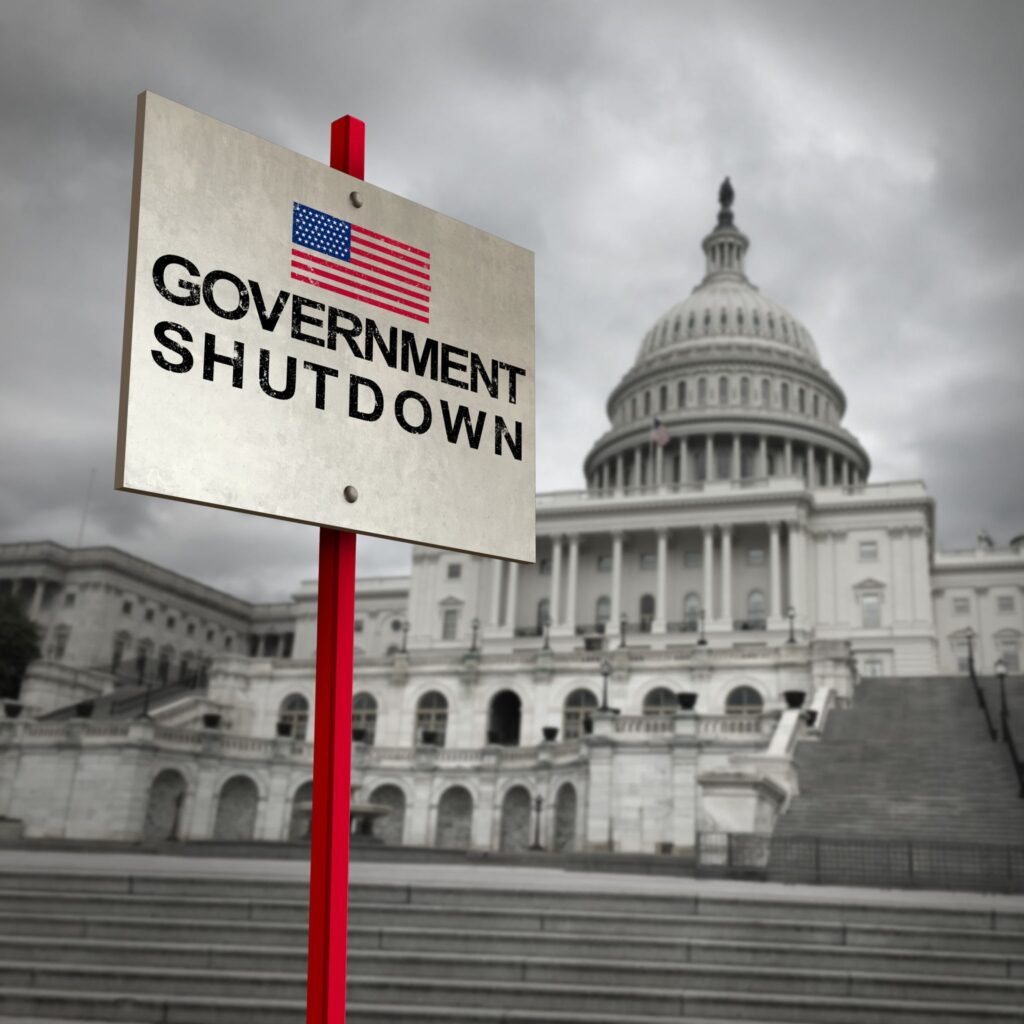
A government shutdown is one of the most disruptive events in American politics. It occurs when Congress fails to pass funding legislation or when the President refuses to sign it into law. Without an approved budget, federal agencies are left without the authority to spend money, forcing them to halt or reduce their operations. For millions of Americans, a shutdown raises serious questions about the economy, public services, and political stability.
What Triggers a Government Shutdown?
The U.S. operates under a fiscal year that begins on October 1 and ends on September 30. Each year, Congress must pass spending bills to keep government departments funded. If lawmakers cannot agree on budget priorities or if political disagreements stall the process, funding runs out, and a shutdown begins.
Often, shutdowns happen because of partisan disputes over major policies such as healthcare, immigration, defense spending, or social welfare programs. In some cases, short-term funding measures called “continuing resolutions” are used to buy time, but if even those fail, the government must close non-essential services.
Services Affected During a Shutdown
Not every part of government shuts down, but many essential services operate with reduced staff or delayed operations. Here are some examples:
- Essential services that continue: National security, military operations, law enforcement, and air traffic control.
- Services that halt or reduce: National parks close, visa and passport processing slows, IRS operations are delayed, and research projects at federal agencies are paused.
- Federal workers: Hundreds of thousands of federal employees may be furloughed (temporarily laid off) or forced to work without pay until funding is restored.
Economic Impact
Government shutdowns carry a significant economic cost. Each day without funding slows down economic activity and undermines public confidence. The Congressional Budget Office has estimated that prolonged shutdowns can reduce GDP growth, disrupt stock markets, and delay billions in federal contracts.
For businesses, delays in permits, approvals, and loans hurt productivity. Families depending on government services, such as food assistance or housing programs, may face uncertainty. Federal employees, many of whom live paycheck to paycheck, suffer the most immediate impact as they wait weeks for back pay.
Political Consequences
Beyond economics, shutdowns damage the reputation of the government itself. Citizens often view shutdowns as a sign of political dysfunction and blame lawmakers for putting partisan disputes above the country’s well-being. Historically, both parties have tried to shift blame, but public frustration tends to grow the longer a shutdown lasts.
In recent years, shutdowns have become more frequent due to deep partisan divides. Some politicians use the threat of a shutdown as leverage to push their policy goals, while others argue it reflects a broken budget process that urgently needs reform.
How Shutdowns End
A shutdown ends when Congress passes, and the President signs, new funding legislation. In most cases, lawmakers eventually reach a compromise to reopen the government, but often only after days or weeks of disruption. Employees typically receive back pay, but the economic losses to businesses and public services cannot always be recovered.
Conclusion
A government shutdown is more than just a political standoff—it has real and lasting consequences for citizens, workers, and the economy. While essential services continue, millions of people feel the burden of delayed payments, closed offices, and reduced services. To prevent future shutdowns, policymakers need to prioritize compromise and ensure the federal budget process serves the people rather than partisan agendas. For everyday Americans, the uncertainty of a shutdown is a reminder of how political gridlock directly affects daily life.
Meta Description
Government shutdowns halt key services, furlough workers, and shake the economy. Learn causes, effects, and what shutdowns mean for citizens.
Related Queries
- What is a government shutdown?
- How long can a government shutdown last?
- Who gets paid during a government shutdown?
- Which services stop during a shutdown?
- How does a shutdown affect the economy?
- Do federal employees get back pay after a shutdown?
- What was the longest U.S. government shutdown?
- Why does Congress struggle to pass budgets?
- Can a government shutdown be prevented?
- How do shutdowns impact national security?
Related Queries
- What is a government shutdown?
- How long can a government shutdown last?
- Who gets paid during a government shutdown?
- Which services stop during a shutdown?
- How does a shutdown affect the economy?
- Do federal employees get back pay after a shutdown?
- What was the longest U.S. government shutdown?
- Why does Congress struggle to pass budgets?
- Can a government shutdown be prevented?
- How do shutdowns impact national security?