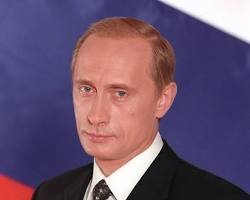
Vladimir Putin is one of the most influential and controversial political figures of the 21st century. As the long-serving leader of Russia, his policies and leadership style have shaped not only his nation but also international politics. While admired by some as a strong nationalist leader, others criticize his governance for authoritarian practices. Understanding Putin’s journey helps us see how one man continues to play a central role on the world stage.
Early Life and Career
His childhood was modest, shaped by the aftermath of World War II. After completing his law degree at Leningrad State University, he joined the KGB, the Soviet Union’s intelligence agency.
In the KGB, Putin rose to the rank of lieutenant colonel and worked in East Germany during the Cold War. His time in intelligence gave him insights into international affairs, surveillance, and power dynamics, skills he later applied in politics.
Rise to Power
Putin entered politics in the 1990s after the Soviet Union’s collapse. He worked in the St. Petersburg city government before moving to Moscow, where he caught the attention of then-President Boris Yeltsin.
- In 1999, Putin was appointed Prime Minister.
- By the end of the year, Yeltsin unexpectedly resigned, making Putin Acting President.
- In 2000, he officially won the presidential election.
Putin’s rapid rise surprised many, but his decisive actions during political and economic instability earned him support among Russians.
Leadership Style
Putin’s leadership is often described as strong, centralized, and pragmatic. He emphasizes stability and national pride while projecting Russia as a global power.
Key Features of His Leadership:
- Restoring state control over major industries.
- Limiting political opposition and independent media.
- Strengthening the military and security services.
- Promoting nationalism and Orthodox Christian values.
- Using energy resources like oil and gas as geopolitical tools.
Domestic Policies
Putin focused on restoring Russia’s economy after the turbulent 1990s. Rising oil prices during his early years in office brought growth and stability.
click here for slugify tool
His domestic priorities included:
- Economic Growth: Boosted by natural resource exports.
- Infrastructure: Investments in transport, housing, and energy.
- Social Programs: Improving pensions and healthcare for citizens.
- Control of Opposition: Critics argue he suppressed dissent and political freedom.
Foreign Policy
Putin’s foreign policy has often challenged Western influence while promoting Russia as a counterweight to the U.S. and NATO.
Major Foreign Policy Moves:
- Strengthening ties with China and other non-Western powers.
- Annexation of Crimea in 2014, sparking global controversy.
- Involvement in Syria to support Bashar al-Assad’s regime.
- Energy diplomacy—using gas exports as leverage over Europe.
- Confrontations with NATO over Eastern Europe and Ukraine.
Comparison: Vladimir Putin vs. Other World Leaders
| Aspect | Vladimir Putin | Western Leaders (e.g., U.S. Presidents) |
| Leadership Style | Centralized, authoritative | Democratic, power-sharing |
| Economy Focus | Energy exports, state industries | Mixed economy, innovation-driven |
| Foreign Policy | Assertive, anti-Western stance | Cooperative, alliance-based |
| Public Perception | Strongman, nationalist | Leader with institutional checks |
Criticism and Controversy
While Putin enjoys strong support from many Russians, he has been widely criticized abroad.
- Human Rights Concerns: Restrictions on media, opposition leaders, and civil society.
- Corruption Allegations: Accusations of elite wealth accumulation and lack of transparency.
- Global Tensions: Policies in Ukraine and Syria have led to sanctions and isolation.
- Election Practices: Critics argue elections in Russia lack full democratic standards.
Legacy and Impact
Vladimir Putin’s legacy is complex. For many Russians, he is the man who restored national pride and stability. For others, especially in the West, he is a symbol of authoritarianism and geopolitical aggression.
Regardless of differing opinions, Putin’s influence is undeniable. His leadership has shaped Russia’s identity in the 21st century and continues to affect global politics.
Conclusion
Vladimir Putin’s story is one of power, resilience, and controversy. From his beginnings as a KGB officer to becoming Russia’s most dominant political leader, his decisions have reshaped both his country and the world. Whether viewed as a protector of Russian sovereignty or a threat to democratic values, Putin remains one of the defining figures of our time. His future legacy will likely be debated for decades, reflecting the deep divide in how the world perceives him.
FAQs
What has Vladimir Putin done to Russia?
He strengthened central power, boosted economy, but limited freedoms.
What is Putin’s view on Muslims?
He supports Russian Muslims’ rights but takes a hard stance on extremism.
How many people are against Putin?
Opposition exists, but polls show majority support despite global criticism.
What does Putin believe in?
He believes in strong nationalism, state control, and restoring Russian influence.
Related Queries
- Who is Vladimir Putin, Why is Vladimir Putin famous, Vladimir Putin leadership style, How did Vladimir Putin rise to power, Vladimir Putin achievements, Vladimir Putin KGB role, Vladimir Putin foreign policy Ukraine, Why is Vladimir Putin controversial, How long has Vladimir Putin been in power, Vladimir Putin domestic policies, Vladimir Putin impact on Russia, Vladimir Putin impact on the world