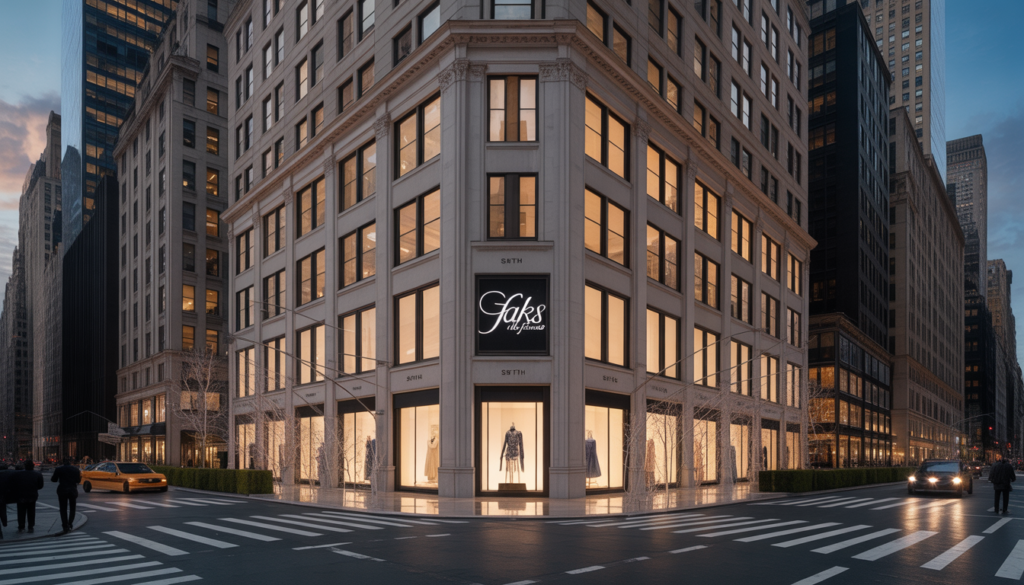
If you’ve ever walked down Manhattan’s Fifth Avenue, you know the name: Saks Fifth Avenue. For over a century, it has been the gold standard of American luxury. However, in a move that has sent shockwaves through the fashion world, Saks Global—the parent company of Saks Fifth Avenue, Neiman Marcus, and Bergdorf Goodman—formally filed for Chapter 11 bankruptcy on January 14, 2026.
But what does this actually mean for shoppers, and is the era of the luxury department store officially over? Let’s dive into what led to this historic filing and what’s next for the iconic brand.
Why Did Saks Fifth Avenue File for Bankruptcy?
The downfall didn’t happen overnight. It was a “perfect storm” of high debt, shifting consumer habits, and aggressive corporate expansion.
1. The Heavy Weight of Debt
In 2024, Saks’ parent company, Hudson’s Bay Company, made a massive $2.65 billion deal to acquire its rival, Neiman Marcus. While the goal was to create a luxury powerhouse called Saks Global, the acquisition was fueled by billions in loans. As interest rates remained high and sales slowed, the company struggled to keep up with payments, eventually missing a $100 million interest payment in late 2025.
2. Changing Shopper Habits
The way Americans shop for luxury has changed. Today, many high-end shoppers are skipping the middleman. Instead of going to a department store, they are buying directly from brand websites like Gucci, Louis Vuitton, or Chanel. Additionally, the rise of e-commerce has made it harder for massive brick-and-mortar stores to justify their high overhead costs.
3. The “Aspiration” Gap
With the rising cost of living, “aspirational” shoppers—middle-income people who might occasionally splurge on a designer handbag—have pulled back. This has left luxury retailers relying solely on the ultra-wealthy, who are becoming increasingly selective about where they spend their money.
Is Saks Fifth Avenue Closing Its Stores?
The short answer is no—not yet.
As part of the Chapter 11 filing, Saks Global secured $1.75 billion in new financing. This money is intended to keep the lights on and the shelves stocked while the company restructures its debt.
- Stores Remain Open: For now, Saks Fifth Avenue, Neiman Marcus, and Bergdorf Goodman stores (and their websites) are operating as usual.
- Customer Programs: The company has stated it will continue to honor gift cards, loyalty programs, and returns.
- New Leadership: Geoffroy van Raemdonck (former CEO of Neiman Marcus) has been appointed the new CEO of Saks Global to lead the company through this transition.
What This Means for the Future of Fashion
The Saks bankruptcy is a wake-up call for the entire retail industry. To survive, Saks Global will likely need to:
- Downsize: We may see the closure of underperforming locations to focus on “flagship” experiences.
- Better Vendor Relations: Saks has recently struggled to pay its suppliers, leading some brands to withhold merchandise. Part of the bankruptcy process involves settling these debts to get the latest fashion back on the racks.
- Digital Innovation: A stronger focus on the “Saks.com” experience is essential to compete with online-only luxury platforms.
The Bottom Line
Saks Fifth Avenue is more than just a store; it’s a cultural landmark. While the bankruptcy filing marks a low point in its 100-year history, it also provides a path for the brand to shed its debt and reinvent itself for the modern age.
For the loyal shoppers of Saks Fifth Avenue, the red shopping bags aren’t disappearing just yet—but the experience inside the stores is likely to look very different in the years to come.
- Global Fashion Trends: How US Retail Shifts Affect the UK Market – Discover how the shifting luxury landscape in America is influencing London’s high-street and premium fashion sectors.
- Top 10 High-Street Brands That Defined 2025 and Beyond – A deep dive into the resilient retail brands that continue to dominate the UK market despite global economic challenges.